A month at the Trust (September 2026)
August was an exciting month for the Trust, from a funding point of view that is. As reported in the previous newsletter our Trust were the beneficiaries of grants from Save the Kiwi for the construction of 300 replacement mustelid/rat traps, and Selwyn Predator Free 2050 Fund to maintain our remotely monitored trap network. Half way through August we also learned with we were one of 20 groups to be chosen for a DOC Community Fund grant, these funds are to be used over all our projects (new predator control lines, remote line servicing, the Poulter Valley project, and invasive weed control).
The Arthur's Pass Wildlife Trust is extremely grateful for all the financial support shown it this year from so many organisations and individuals. It's not only the big grants that make the difference, these allow us to think big of course, but the year to year constants like bait supplies from Kelvin (Kirwee), Lamond Farm, Akaroa King Salmon, and the donations that regularly hit our bank account from our members (past & present), local AP businesses, and through our Give-a-Little donors, keep the day to day stuff happening. The Trust is looking forward to the very busy year's ahead!
August's predator capture results are below (previous year August stats are in brackets)...
Stoats: 0 (3)
Weasels: 2 (1)
Rats: 22 (25)
Mice: 4 (3)
Wild Cats: 1 (1)
Possums: 19 (15)
Hedgehogs: 0 ()
Hares: 0 (2)
Pigs: 1 (0)
Over the past month we have welcomed Steve & Michelle Lassche, Lois Slade, and Nico Bordes (& whānau) aboard as new volunteers of the Trust.
In months ahead are our planned kiwi listening survey (Sept 5th+), a braided river bird survey in the Waimakariri (mid-October), the construction of 100 traps to start the ball rolling of our extensive trap replacement programme (late October).
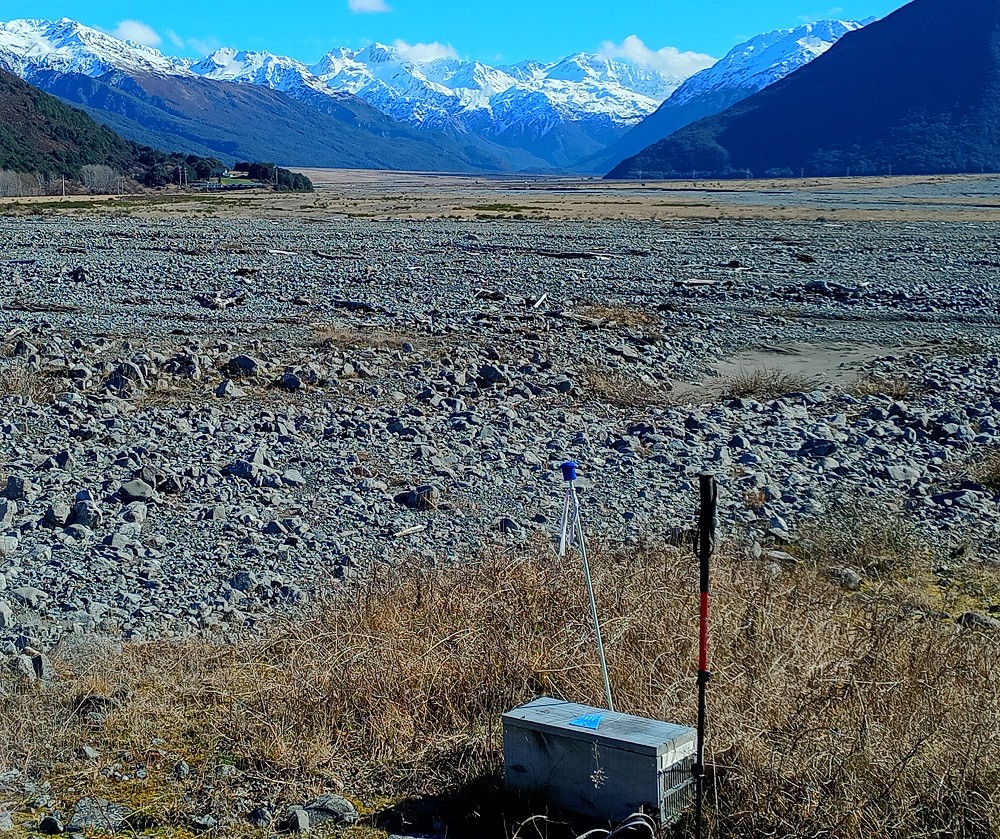
Top Image: Bruce Islands trap-line
High Pathogenicity Avian Influenza (HPAI) Update (September 2026)
HPAI (H5N1) has been spreading rapidly throughout Australia over the last month, having now been found in wild populations of sea birds and mammals. Of late it has been found in two red foxes (introduced predator to AU), an Australian Common Dolphin, and a Bottlenose Dolphin. The total number of confirmed and suspected cases of H5N1 in Australia now stands at
446 (31 Aug). For a disturbing picture of how it's travelling through species visit the
AU Department of Agriculture website.
In New Zealand we are still sitting at 3 confirmed cases. The first being a brown skua, the second a kāhu (swamp harrier) found near Carterton in the Wairarapa, and most recently in late August a northern giant petrel in the Wairarapa. Even though the case numbers are low here, it is not a time for complacency, as these are only the birds found along our extensive, accessible shorelines, there is certain to be more, and from this it will be spreading silently.
Risk to other NZ animals
HPAI (H5N1) can move rapidly through sea birds that live in colonies. All waterfowl are at risk. Pinnipeds such as fur seals and sea lions are very susceptible to the virus. Any bird of prey (kāhu, NZ Falcon, Morepork) can also acquire the virus due to feeding on carrion or infected animals. Domestic poultry can be at high risk because of outdoor interactions with wild infected birds, and their stocking density allows for rapid spread. Livestock (dairy cattle & potentially goats) can also acquire the virus. Domestic cats and carnivores such as mustelids (ferrets, stoats, weasels) can also be infected.
The Arthur's Pass Perspective
There are vectors that could potentially bring HPAI into the Park, these include birds that hunt or visit coastal areas (Black-backed gulls, and may even include Kea that visit the West Coast coastline seeking fat during the early winter months). Unwashed hens eggs (that the Trust uses as bait) could also carry the virus from an infected poultry farm - hence we remain vigilant to any outbreaks in commercial poultry farms in the South Island (our egg "seconds" are sourced from commercial farms).
The virus can be carried in faeces and vomit, so there is potential for people (trappers) to move it about the environment particularly on footwear (see below).
Advice to Trappers from DOC
- Commercial eggs are fine to use in traps – the transmission risk is extremely low for commercial eggs due to good controls in commercial poultry farms. If using free range eggs, ensure they come from sources you know are HPAI free.
- Trappers – keep an eye out for sick and dying birds and follow this advice...
- Do not touch, handle or move sick or dead birds or other wildlife.
- If you see 3 or more sick or dead wild birds, marine mammals or other wildlife in one place call MPI’s exotic pest and disease hotline 0800 80 99 66. State location, species and take photos.
- Visit MPI’s website for more information about bird flu and check out the HPAI Operation Hub for any additional actions within your region response plan.
- Predator control makes a big difference to native birds so please keep trapping. These current recommendations are designed to keep you safe.
- Wear closed footwear and use gloves (either rubber-fingered gardening gloves or disposable gloves) to handle dead animals.
- If you use a phone to record trap data, either put it inside a sealable plastic bag before you start or have an alcohol wipe or hand sanitiser and tissue ready to disinfect it at the end.
- When you’ve finished trapping:
- Put used gloves in a bag to wash at home, or bin disposable gloves.
- Take your phone out of the plastic bag and dispose of the bag, or wipe down the phone.
- Change into clean clothes and put trapping clothes in the wash.
- Wash your hands with soap and water, or sanitise them.
- Scrub and disinfect your footwear and any equipment with 10% bleach or 1% SteriGENE.
Vaccine Trail in NZ
MPI manages use of HPAI vaccines, which are not commercially available in New Zealand. MPI granted approval for DOC to use the Poulvac Flufend RG vaccine in a controlled trial to test its safety and efficacy in a select number of endangered native birds. Five native species were selected for the vaccination trial, due to their critical conservation status and reliance on captive breeding for species survival: kakī/black stilt, takahē, kākāpō, tūturuatu/shore plover and red-crowned parakeet/kākāriki (as a surrogate species for kākāriki karaka/orange-fronted parakeet).
None of the birds have shown any adverse reaction to the vaccine and all five species showed a strong initial antibody response to vaccination.
These results show that the vaccine is effective and safe, and the vaccine could be a useful tool to protect some threatened species if HPAI arrived in New Zealand.
More Information
Kiwi Hui Talk :
Click HereMPI :
Click HereDOC :
Click HereTop Image: HPAI H5N1 Virus
An update on Hohoro (September 2026)
As you're probably aware, Hohoro, the kea, met with an unfortunate accident in Arthur's Pass and was shipped off to the
South Island Wildlife Hospital. They found him to have a fractured beak.
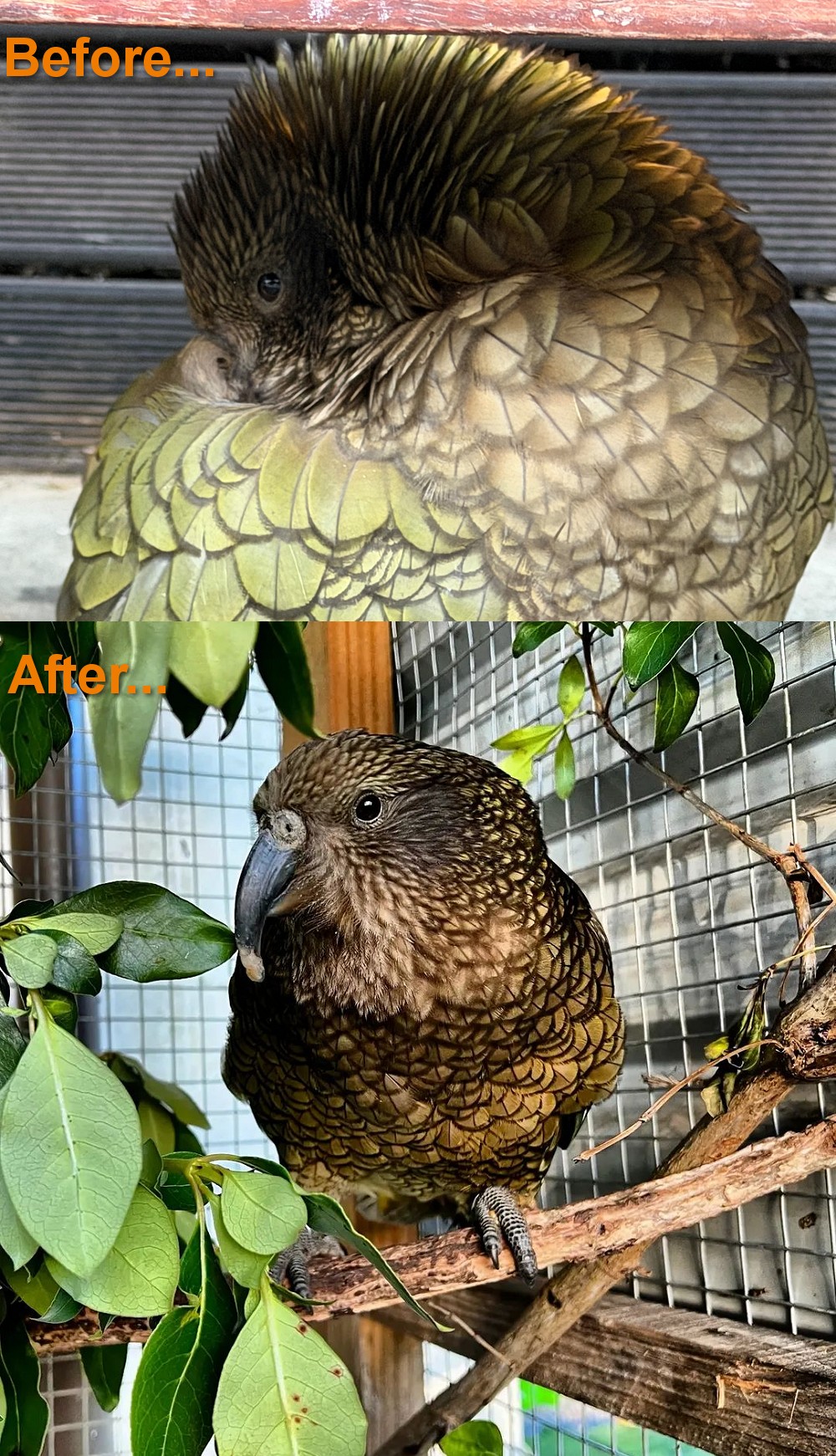
Hohoro is doing well, specialised adhesives have been used to secure the fracture (you can see that in the lower image at the tip of his beak), along with a mandatory soft diet.
It will still be a little while before he is ready for release back into our valley, as there will be no control over what he chomps down on, and his beak will remain fragile for a while. Kea have phenomenal bite-force, about 270 Newtons (most parrots have only 100N), and this is three times that of the average human. Any bird handler that's had the misfortune of a kea bite, will attest to this being translated into a extremely painful shear force chomp.
Hopefully Hohoro has been keeping all the young-gun West Coast [lead poisoned] kea in the adjacent enclosure under control.
Top Image: Hohoro (Photos - Arieta Jackson, SIWH)
Kiwi killed on highway (September 2026)
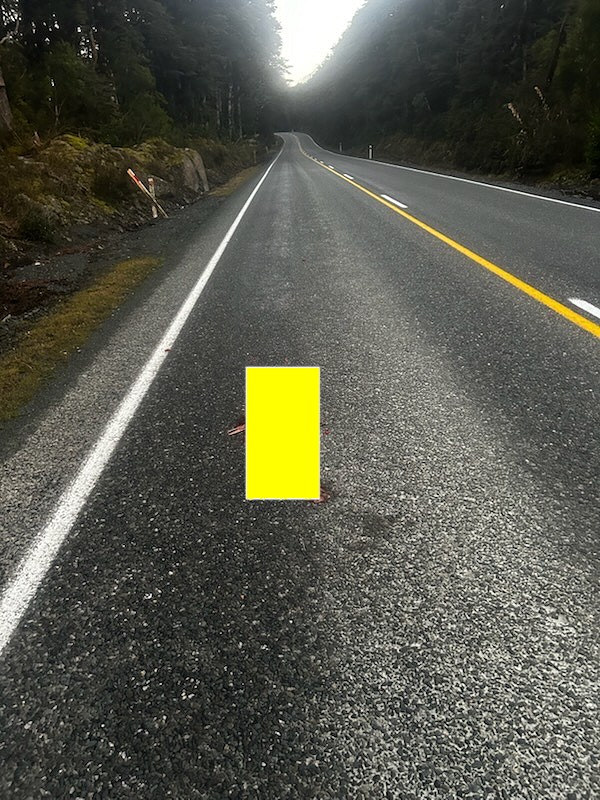
Unfortunately on Thursday 20 August a young male kiwi was killed on Highway 73 in the west-bound lane, 200m north of Jack's Hut.
The kiwi was discovered by local Shaun, doing his early morning highway inspection for Fulton Hogan. APWT was notified, and subsequently the remains of the kiwi were transported to DOC.
The kiwi weighed in as about 1.8kg, with a bill length of 107.4mm. It was checked for a microchip, although it is far too young to be a known member of the Arthur's Pass study group (this study ended in 2015).
Kiwi have no concept that human structures like roads & railways that divide their territories pose any threat to them, hence they get clobbered on a far too regular basis.
If you're passing through the Arthur's Pass area, please drive slower than the sign-posted speed limit, and remain highly alert to wildlife crossing randomly!Top Image: Kiwi killed on highway
APWT "Out There" Gallery
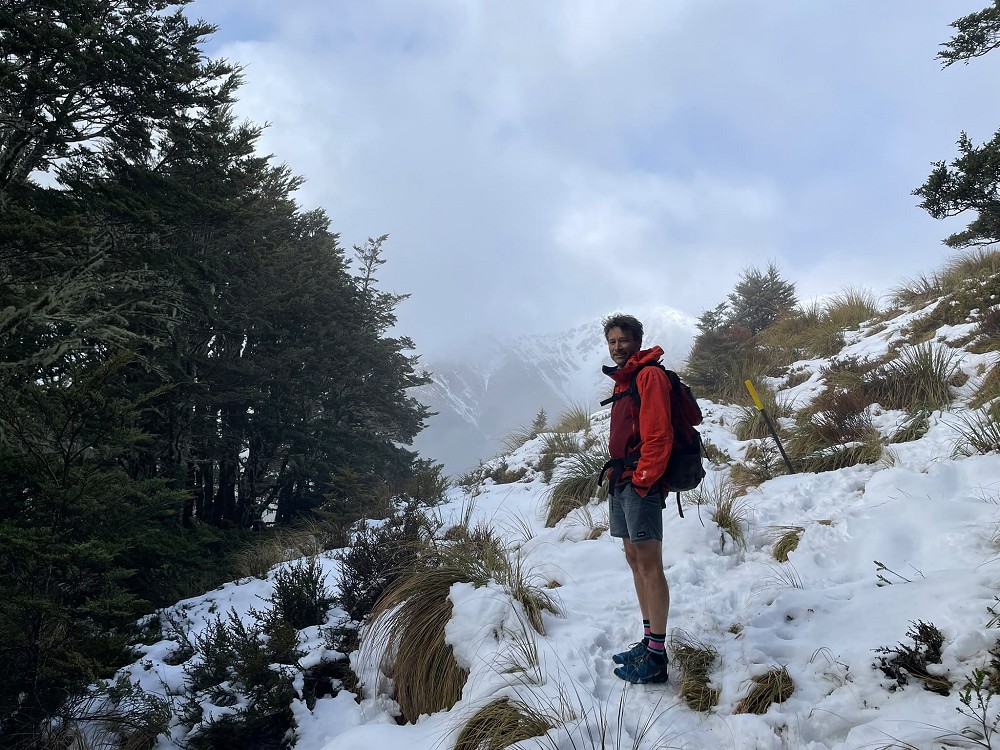 Avalanche Peak trap-line (Photo - Nick Douglas)
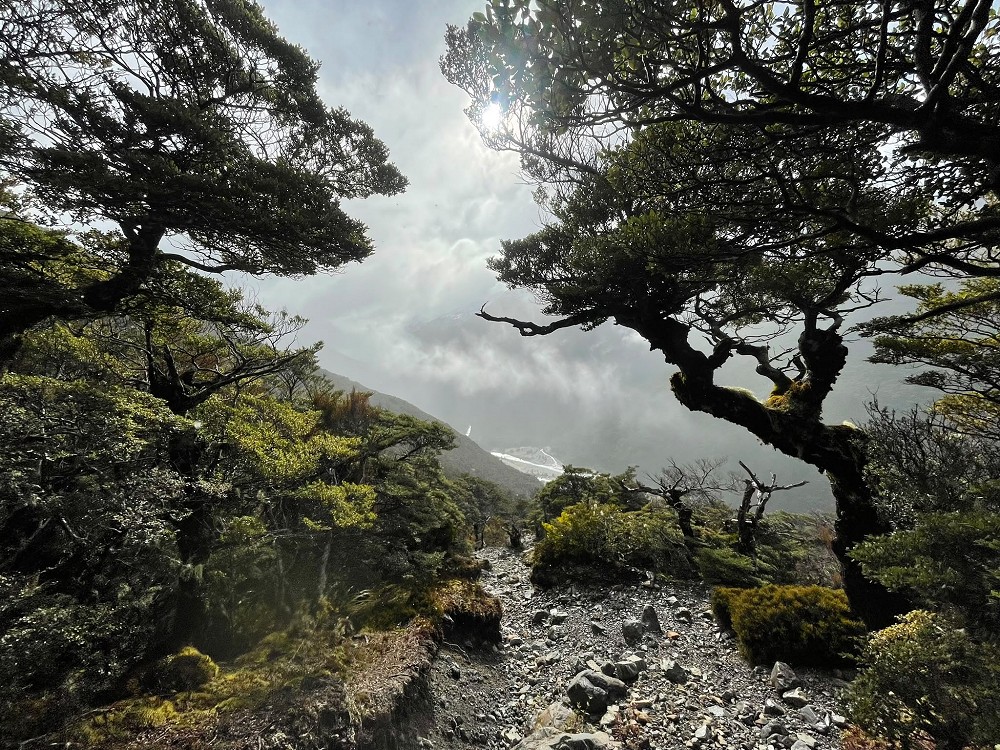 Avalanche Peak trap-line (Photo - Nick Douglas)
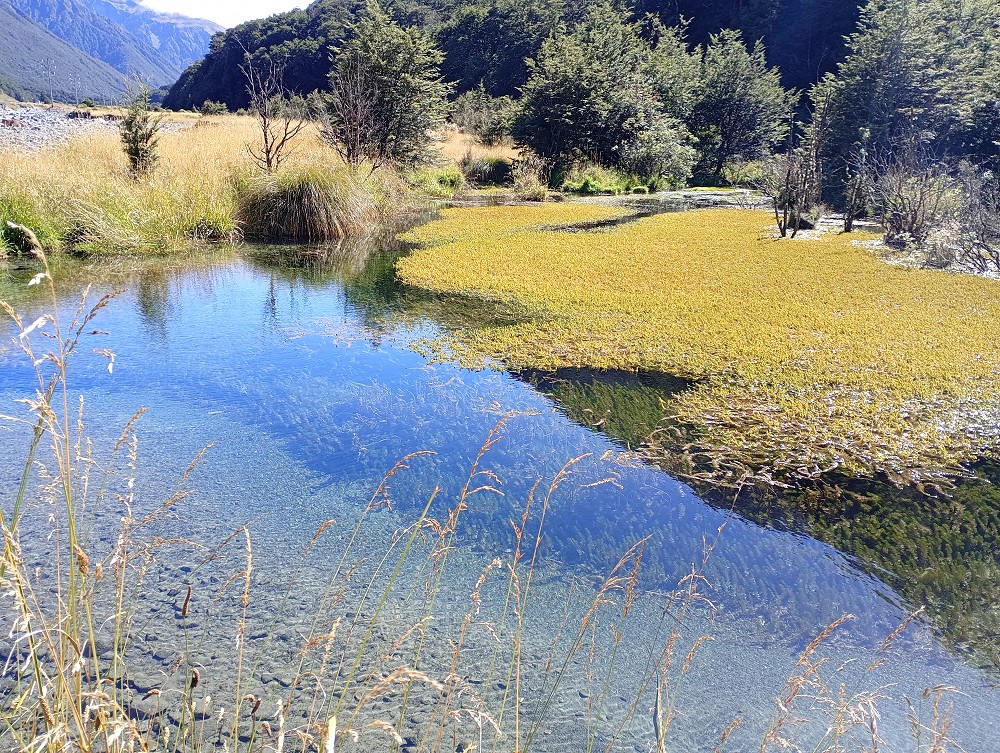 Bealey River lagoon (Cashmere trap-line) (Photo - Archive)
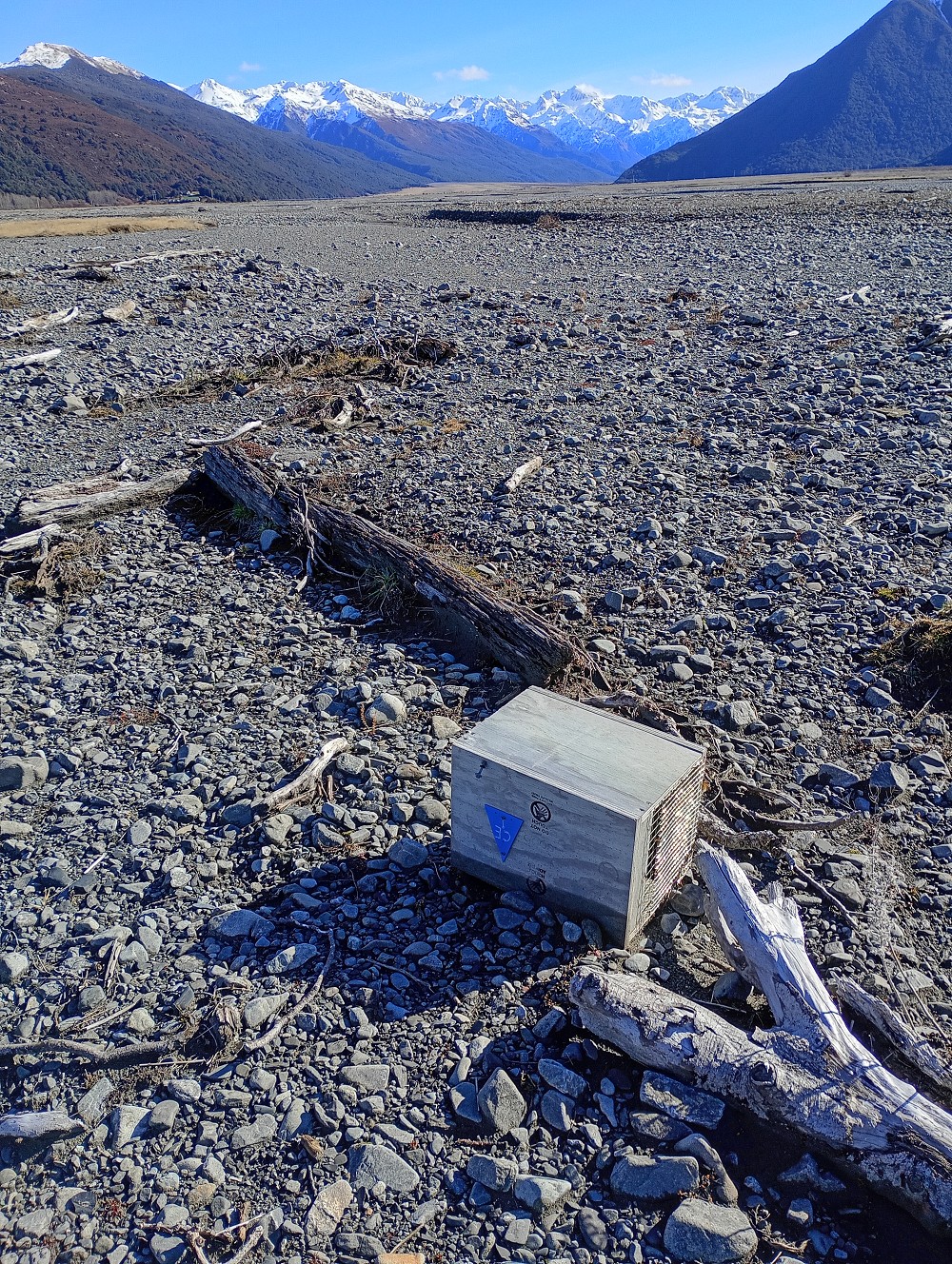 Lonely long lost trap found, 2km from home after severe floods (Photo - G.Kates)
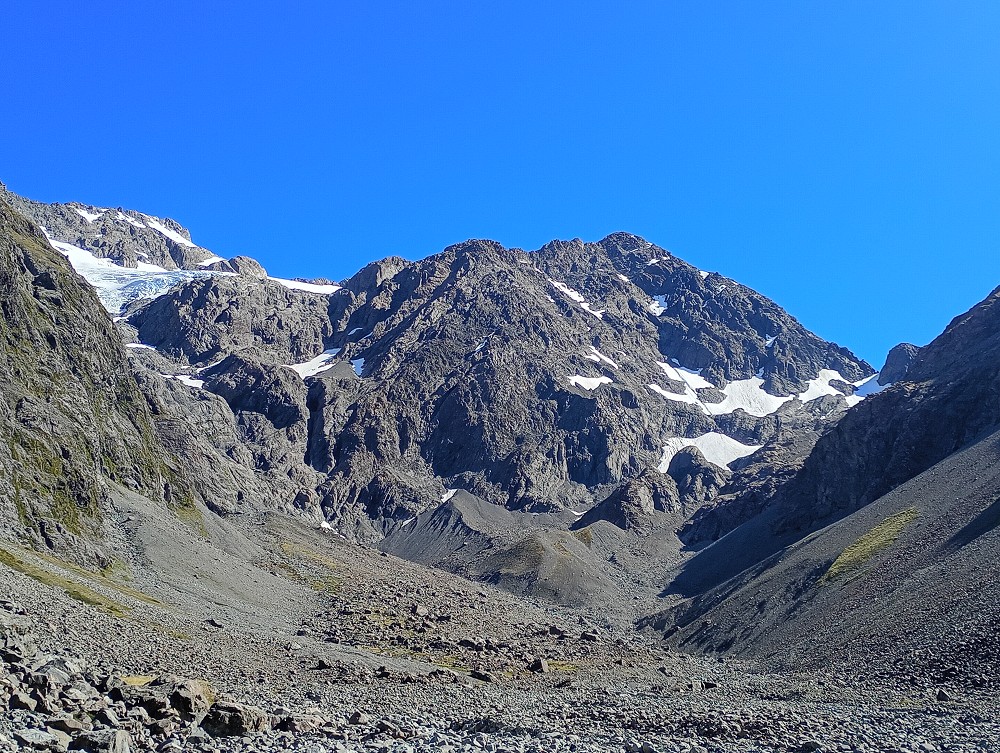 Upper Crow Valley (Crow trap-line) (Photo - Archive)
